
(+39 ) 017370574
Azienda Agricola Boschis Francesco S.S.A. di Boschis Fratelli Borgata Pianezzo, 57 12063 Dogliani -CN- P.IVA : 03320810041
Italy
SURFACES
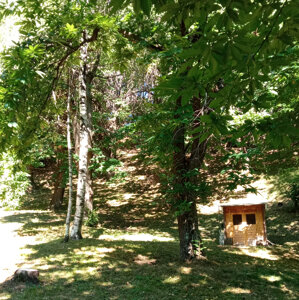
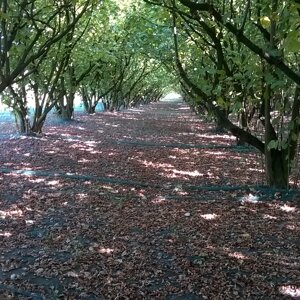
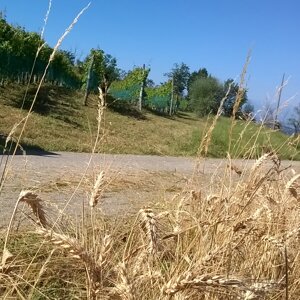
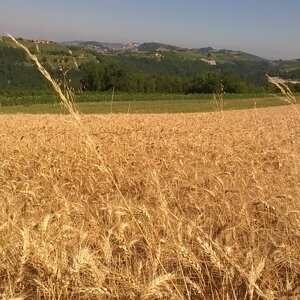
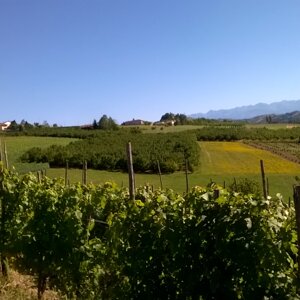
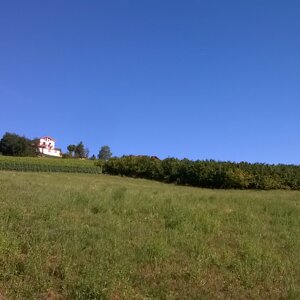
Each soil and each crop have different characteristics. For this reason our company is not entirely cultivated with vineyards but is divided as follows:
- Vineyard;
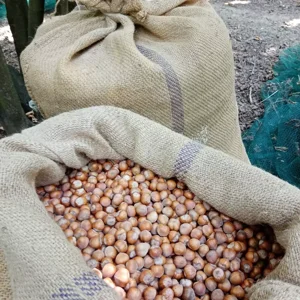
- Hazelnut grove;
- Fields;
- Meadows;
- Fruit woods,
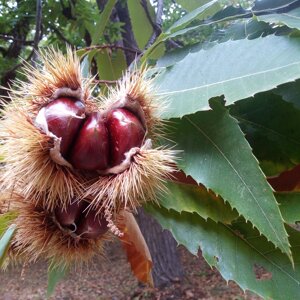
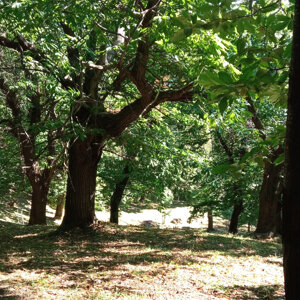
- Chestnut grove;
- Coppice woods.
As for the vines we grow:
- Dolcetto is our most cultivated vine and exceeds half of our vines and with which we produce:
- Dogliani DOCG Pianezzo;
- Dogliani Superiore DOCG Pianezzo Vigne Sorì San Martino;
- Dogliani Superiore DOCG Pianezzo Vigna dei Prey;
- Dogliani Superiore DOCG Pianezzo Vigna del Ciliegio;
- Barbera
- Barbera d’Alba Superiore Doc Vigna Le Masserie”;
- Langhe DOC Barbera
- Freisa
- Langhe DOC Freisa “Bosco delle Cicale”;
- Langhe Freisa Nei Sorì;
- Grignolino
- Piemonte Doc Grignolino
- Sauvignon blanc
- Langhe Doc Sauvignon Vigna dei Garisin
- Pinot Noir
- Langhe Doc Pinot Nero
HARVESTS
The products of nature are the result of a plot, of one or more plants and of the season that has accompanied their growth. Our job is not to spoil what Nature has given us. You will find in these lines a brief description of the latest vintages and wines produced. These are considerations on our work, on seasonal trends and what we found in the wines, and we hope they can help you understand the different features that you will find drinking one of our wines.
2024: January and February saw alternating periods of sunny and rainy weather. March was quite rainy, with some brief snowfalls until the 10th, followed by another snowfall on the 26th and 27th, which, however, led to a beautiful and sunny April that favored the early growth of the plants. However, from April 22nd to 24th, a new low-pressure system combined with low temperatures brought another light snowfall. May and June were very uneven, with frequent low-pressure systems and significant thunderstorms that resolved in July, which was otherwise fine. After a dry August, but with a strong storm on the 18th that brought 67 mm of rainfall in just a few hours, September was wetter and colder in the first half and warmer but still rainy in the second half. This year's yields were quite low, with both hazelnuts and grapes down about 50% compared to 2023, with Barbera slightly more abundant (about 70%). The lower production was already clearly visible in May, with almost all shoots bearing a single bunch at most, which made the usual thinning less necessary and proved to be very important given the rainy season in August and September. It was a rather challenging year to manage in the vineyard, both in terms of weed control and disease, but fortunately we didn't encounter any problems related to these adversities, and the smaller quantity of grapes favored the quality of the wines.
2023: 2023 started off rather dry, with snow only falling in March, though only a few centimeters. This, combined with temperatures that were not too low, allowed bud break to begin fairly early, at the end of March. Rainfall patterns changed in May and June, with a total of 348.4 mm, a very high figure for the period. July was dry and characterized by good weather, with very hot days punctuated by colder currents, with nighttime temperatures sometimes quite low. August was beautiful and fairly dry, with the exception of the 27th and 28th, which were quite rainy. The first part of September was dry and beautiful, with optimal temperatures for the period, while on the 14th and 16th, and the 23rd, right before the harvest, there were two fairly intense thunderstorms. The grapes were very beautiful and healthy, but some vines, which were more easily subjected to stress due to warm weeks punctuated by colder nights, were further behind in ripening and this led to a more meticulous selection of the bunches during the harvest than usual.
2022: The winter of 2021-22 was very dry, with the last rain falling on October 4, 2021, and the first rains arriving at the end of March and on April 20 and 21. In May, the rains helped improve the water situation somewhat. The warm temperatures of the sunny days of this month and the rainfall meant that the vegetative phases followed one another very quickly, and flowering began on May 26, about 8-10 days earlier than a normal year. June and July were very good but dry, and the vineyards in the southeastern part, especially in the Sorì San Martino area (especially the two oldest vineyards), suffered greatly from the drought. A very early harvest was expected, but unfortunately, on July 25th, a very strong hailstorm caused significant damage, especially to the leaves. The grapes, well protected by anti-hail nets, suffered damage of around 5-10% maximum, while the vineyards not protected by the nets suffered damage of up to 90-95%. This storm delayed ripening and pushed the harvest date, scheduled for late August, back to mid-September. The grapes protected by the nets were very beautiful, healthy and optimally ripe.
2021: Snow fell on and off during the first few days, accumulating about 50-60 cm. However, like February, the month was dry with normal temperatures, but the melted snow provided a good water reserve that proved very useful during the summer. March, on the other hand, was completely dry, breezy, and warmer than usual, allowing bud break to begin towards the end of the month. A few cold nights in early April slowed this phase. May and June were fairly normal, with no excessively high temperatures, but they allowed for good fruit set. July, on the other hand, was not very hot, with a few brief thunderstorms. August was very beautiful, but with temperatures that were not excessive, favoring optimal grape ripening. September was also very beautiful, with no major temperature swings between day and night, ideal conditions for perfect Dolcetto ripening.
2020: After a very rainy and snowy end of autumn 2019, the winter was rather mild and dry. The spring before and the summer after were without significant phenomena, guaranteeing the plants a regular vegetation that allowed the grapes to ripen rather quickly, slowed only by cooler currents that arrived at the end of August which meant that the harvest began on September 20.
2019: After a fairly normal winter with abundant snowfall in the period from late February to early March, the beginning of budding and the first phenological phases of the vines continued regularly throughout the spring and early summer. After a cool and sometimes rainy month of May, the rest of the summer passed on a regular basis with sunny and mostly dry days that allowed the grapes to reach an optimal ripeness both from the point of view of quality and from the health point of view. The harvest began on September 17 with Pinot Noir, followed by Dolcetto, Sauvignon blanc was harvested later on September 25, and ended on October 3 with Freisa and Barbera. The wines produced in this vintage have a good structure, an equally good freshness and austerity in the tannins, characteristics that make us think of an excellent seal over the years.
2018: After a fairly normal winter with heavy snow in the period of late February early March the beginning of the budding and the first phenological phases of the vines continued on a regular basis throughout the spring and early summer. Unfortunately, on July 14 in the afternoon, a very strong hailstorm produced serious damage to the vines, both to the leaves and to the bunches. The latter, albeit protected by hail nets, were lost for at least half, but those that remained even after the hard work and the good weather of the second part of the summer reached a very good maturation even if slightly ahead compared to a normal vintage . The wines produced are for these reasons very fine and elegant and are characterized by some of the freshest and most intense aromas that we remember.
2017: After a normal winter the month of March was much warmer than the norm favoring a very early budding. Following a month of April just as beautiful in the nights between 19 and 21 April a drastic drop in temperatures occurred that caused strong frosts in many areas of Italy. Given our altitude, however, only one vineyard used for the Pianezzo suffered major damage, with the loss of around 80% of the production in that plot. The summer then continued with very beautiful and hot days and almost no rainfall thus determining the earliest vintage we remember. The wines are so rich and concentrated in all the characteristics, in the color, in the alcoholic degree and in the acidity but with very fine and elegant tannins. Beginning of the harvest August 29th.
2016: The winter between 2015 and 2016 can be divided into two parts, a drier and characterized by good weather, until the end of January and a more humid with good snowfall in the months of February and March that have brought a good water supply. Some rains in the days between the last days of April and early May followed by good weather have encouraged a good sprouting and an optimal summer trend have led to the production of very beautiful grapes and a greater amount than that obtained in recent years. The wines are so very rich in all its characteristics but they have maintained a good acidity that will help them to face a long aging. Start of harvest September 13 for Sauvignon and September 16 for Dolcetto.
2015: In February heavy snowfalls have provided a good supply of water. The vintage is continued with a mild climate that fostered the blossomig of vines in advance of one week. Three strong hailstorms in the first half of May (8th, 19th and 20th) have greatly damaged some vineyards, causing in some cases a lower production estimated in a loss of about 60-70% of the normal production. The summer is continued optimally favoring a very good maturation in the grapes remained. The wines are very rich in texture and color. Date of harvest: September 8th.
2014: After a good winter, the spring began very early favoring an early sprout. After a very good two months (May and June), the month of July has been rather rainy. Summer is continued with an August and a beginnig of September fairly fresh and affected by thunderstorms. In the last days of July it was performed an important work of peeling and grape selection without which the maturation could have been compromized. The wines produced are therefore characterized by very rich and intense aromas and good freshness and drinkability. Date of harvest: September 20th.
2013: After a winter quite long but normal, in the spring there have been some strong storms (from May until late June) that brought a good supply of water, but which have slightly delayed the progress of the growth of shoots and the maturation of grapes. A very good September has favored a very good maturation. Some rain in early October, when the harvest was almost completed, has lowered temperatures. The wines produced are very complete, with intense aromas, good structure and freshness. Date of harvest: September 22nd.
2012: After one of the coldest winters in decades with very low minimum temperatures (-7, -8 ° C) the spring and summer were optimal with not too high temperatures and dry weather except some thunderstorms between late August and the beginning of September, that have been very useful to plants. The wines produced are therefore very rich in aromas and with many tannins, that surely rank as one of the most long-lived vintages of the last decades Date of harvest: September 17th.
2011: What most of all characterizes this vintage after a standard winter and spring are the summer months. July and August were nice and dry, with not too high temperatures, while the big heat has arrived in the last days of August and lasted until October. This hot has permitted to grapes to mature very fast in the last days before the harvest giving very balanced wines that are also very full of color, texture and alcoholic degree. Date of harvest: September 7th.
For questions about older vintages we kindly ask you to send us an email or to consult this website: http://www.ildogliani.it/en/vendemmie_2012.php in which one of the best agronomists in our area has described in a technical and detailed way all vintages .